Top Ways to Improve gut health and energy levels Right Now
Revitalize Your Energy: Top Tips for Enhancing Gut Health
Boosting energy often commences with an underestimated aspect: gut health. Many individuals experience fatigue without realizing their gut microbiome's role in energy levels. By comprehending the relationship between gut health and vitality, one can identify effective strategies for boosting. Adding specific foods and habits may create pathways to improved vitality. However, the journey to a balanced microbiome entails more than just dietary changes. What other factors could be shaping your energy?
Identifying Poor Gut Health: Signs and Symptoms
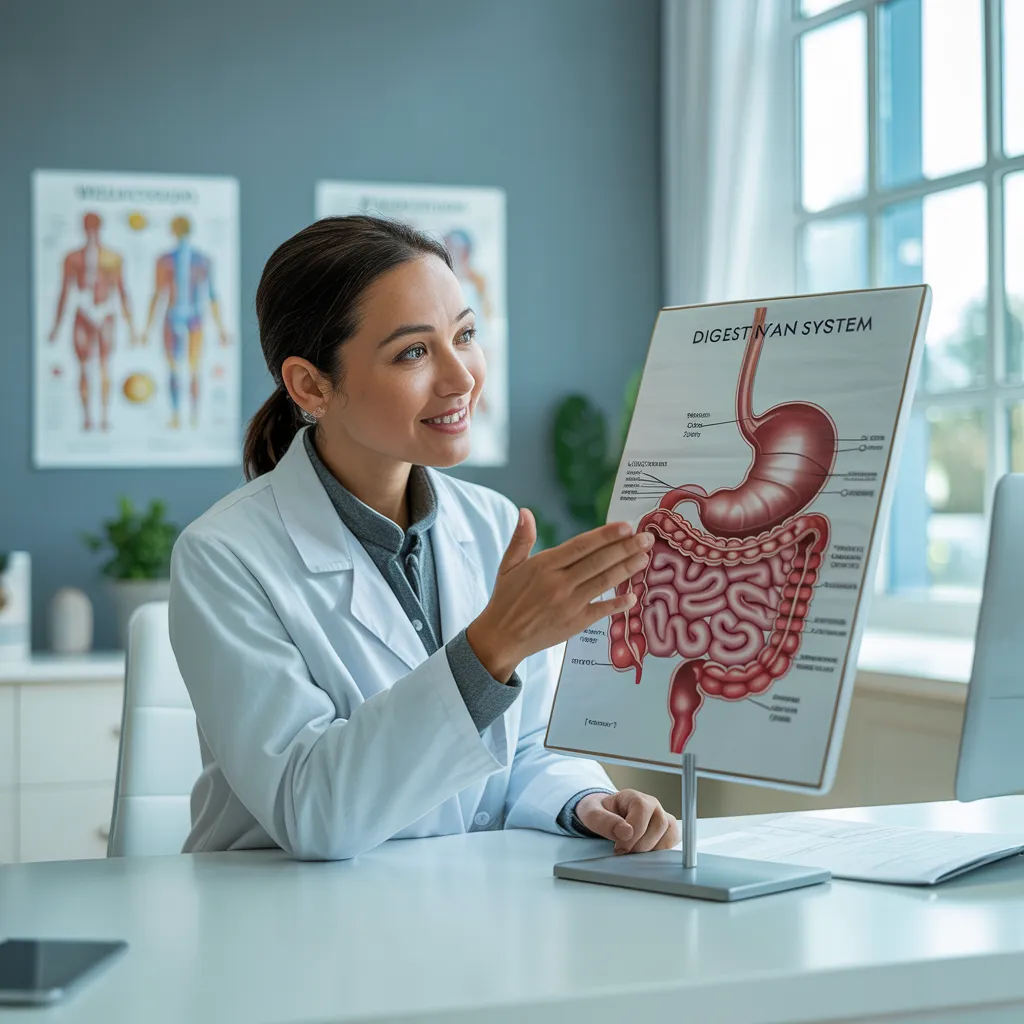
How can you recognize the warning signs of poor gut health? Many symptoms might suggest that the gut is not operating correctly. Digestive disorders, such as bloating, gas, constipation, or diarrhea, are common indicators. In addition, chronic fatigue or sleep disturbances can be related to gut health issues. Skin conditions, including eczema or acne, often arise from an imbalanced gut microbiome. People may also face food intolerances, producing discomfort after meals. A weakened immune response, marked by frequent colds or infections, can further point to gut difficulties. Finally, mood changes, such as increased anxiety or depression, may be linked to gut health, as the gut-brain axis plays a vital role in emotional well-being. Recognizing these signs is important for timely intervention and improvement.
Understanding Digestive Health and Its Effect on Energy
In what way does gut health affect overall energy levels? Gut health plays a key role in maintaining optimal energy, as it impacts digestive processes, the absorption of nutrients, and gut microbiome equilibrium. A thriving gut microbiome supports the processing of food, allowing the body to extract fundamental nutrients like vitamins and minerals. These nutrients are critical for producing energy at the cellular level. Conversely, an unhealthy gut can result in digestive issues, inflammation, and fatigue, thereby reducing energy levels. Moreover, the gut is associated with the brain via the gut-brain axis, which can influence mood and motivation. Thus, focusing on gut health can significantly enhance overall overall vitality and energy, promoting a more active and fulfilling lifestyle.
Best Fermented Foods for Gut Health and Energy
Including probiotic foods into your eating habits can dramatically increase gut health and energy levels. Fermented foods including yogurt, kefir, and sauerkraut are outstanding sources of live bacteria that aid digestive wellness. These foods can help reestablish the balance of gut microbiota, which is essential for nutrient absorption and overall vitality. Moreover, kimchi and miso supply unique flavors along with beneficial probiotics that may increase energy levels. Tempeh, a fermented soybean product, supplies not only probiotics but also protein and fiber, contributing to sustained energy. Regular consumption of these probiotic-rich foods can result in improved digestion and a more energetic, energetic lifestyle. Integrating such foods can be a basic but efficient strategy for elevating overall well-being.
Foods That Encourage a Healthy Gut Microbiome
A wide range of foods can effectively support healthy gut bacteria, enhancing prime digestive function and holistic wellness. Cultured products including yogurt, kefir, sauerkraut, and kimchi are packed with probiotic cultures, which increase beneficial bacteria diversity. High-fiber foods, such as whole grains, fruits, and vegetables, serve as prebiotics, supplying nutrients to healthy bacteria. Polyphenol-rich foods, like berries, green tea, and dark chocolate, also support intestinal wellness favorably by fostering the growth of good bacteria. Furthermore, omega-3 fatty acids contained in fatty fish and flaxseeds can reduce inflammation and support a balanced microbiome. Including these foods in everyday eating can create a thriving environment for gut bacteria, resulting in enhanced health and well-being.
How Stress Impacts Your Gut and Energy Reserves
Maintaining a thriving gut microbiome is just one component of the equation for total wellness; managing stress is just as important. Long-term stress can upset the delicate balance of gut bacteria, resulting in dysbiosis, which negatively affects digestive processes and nutrient absorption. Increased stress levels trigger the release of cortisol, a hormone that can compromise gut function and contribute to inflammation. This inflammation may present itself as gastrointestinal complications, such as bloating or irregular bowel movements, further exacerbating energy depletion. Additionally, stress can change eating habits, often causing poor food choices that lack essential nutrients. Therefore, individuals experiencing high stress may find themselves in a cycle of fatigue and digestive distress, highlighting the significance of holistic approaches to health that include stress management for optimal gut function.
Guidelines for Long-Term Digestive Health and Energy
Keeping up enduring gut health and energy calls for a focus on a healthy eating plan and regular physical activity. Essential nutrients from natural foods play a key role in supporting digestive function and complete vigor. Additionally, regular exercise can improve gut motility and enhance energy levels, leading to a healthier lifestyle.
Fundamentals of Balanced Nutrition
Balanced explore the facts nutrition serves as the cornerstone for lasting gut health and ongoing energy levels. A diet full of diverse whole foods, including fruits, vegetables, whole grains, and lean proteins, nourishes the gut microbiome. Fiber plays a key role; it nourishes beneficial bacteria and facilitates digestion. Adding fermented foods like yogurt, kefir, and sauerkraut delivers probiotics, increasing gut flora diversity. Healthy fats, such as those found in avocados and nuts, also enhance overall gut health. Limiting processed foods and added sugars is essential, as these can disrupt microbial balance and cause inflammation. Maintaining sufficient water intake further encourages digestive efficiency. Together, these dietary essentials establish a robust foundation for peak gut function and energy levels.
Regular Physical Activity
Engaging in regular physical activity substantially boosts gut health and increases energy levels. Research indicates that exercise promotes the growth of beneficial gut bacteria, which can optimize digestion and minimize inflammation. Activities such as walking, cycling, and strength training not only aid in maintaining a healthy weight but also stimulate the gut's motility, promoting better nutrient absorption. Furthermore, moderate exercise has been associated with reduced stress levels, which can beneficially affect gut health. To obtain these benefits, individuals should strive for at least 150 minutes of moderate-intensity exercise weekly. Including varied activities can keep routines enjoyable and sustainable, ultimately supporting long-term gut health and wellness. Regular physical activity, therefore, serves as a foundation for overall well-being.
How Probiotics Strengthen Gut Health and Amplify Energy?
Probiotics perform an important role in advancing a balanced gut microbiome by promoting the growth of beneficial bacteria. This advancement not only helps with digestion but also results in increased energy production within the body. Moreover, the gut-brain connection shows how a healthy gut can affect complete well-being and vigor.
Probiotics Support Beneficial Bacteria
Although many factors affect gut health, the incorporation of probiotics is notable for their impressive ability to strengthen the balance of beneficial bacteria in the digestive system. Probiotics, often called "good" bacteria, assist to restore and preserve the natural flora in the gut. They can suppress the growth of harmful bacteria, thus reducing the risk of infections and digestive disorders. Regular consumption of probiotics, present in yogurt, kefir, and fermented foods, promotes digestive efficiency and overall gut function. Additionally, these beneficial microorganisms can enhance nutrient absorption, creating a healthier gut environment. By cultivating a balanced microbiome, probiotics fulfill an essential role in promoting gut health, which is vital for overall wellness and vitality.
Energy Production Boosting Effects
A notable relationship exists between gut health and energy production, with probiotics serving a crucial role in this dynamic. These beneficial bacteria aid in preserving a balanced gut microbiome, which is essential for nutrient absorption and metabolic processes. By breaking down food and promoting the absorption of vitamins and minerals, probiotics enhance the body's energy levels. They also synthesize short-chain fatty acids, which function as an energy source for colon cells and enhance overall gut health. Furthermore, a healthy gut can lower inflammation and oxidative stress, both of which are linked to fatigue. In essence, integrating probiotics into one's diet can contribute to enhanced gut health and, consequently, increased energy production, promoting a more vibrant and active lifestyle.
The Gut-Brain Relationship Explained
The intricate relationship between the gut and the brain underscores how gut health can considerably influence general wellness, particularly regarding energy levels. Probiotics, helpful bacteria found in particular foods and supplements, play a crucial role in this connection. They help copyright a balanced gut microbiome, which is vital for optimal digestion and nutrient absorption. A healthy gut flora can generate neurotransmitters such as serotonin, which straight influence mood and energy. Furthermore, probiotics may diminish inflammation and improve gut permeability, contributing to enhanced energy production. Research indicates that individuals with a diverse microbiome often exhibit higher energy levels and improved cognitive function. Thus, incorporating probiotics into one's diet can greatly enhance gut health and subsequently boost overall energy.
Common Questions
Is Mental Clarity and Focus Affected by Gut Health?
Gut health greatly influences mental clarity and focus. Scientific evidence shows that a well-balanced gut microbiome can boost cognitive function, possibly resulting in enhanced concentration and mental sharpness, highlighting the profound connection between bodily health and mental wellness.
Are There Any Supplements That Support Gut Health?
Numerous supplements can support gut health, including probiotics, prebiotics, and digestive enzymes. These products may optimize the gut microbiome, improve digestion, and potentially contribute to overall well-being, supporting a better functioning digestive system.
How Much Time Is Needed to Notice Gut Health Improvements?
Improvements in gut health usually become noticeable within a few weeks to a few months, depending on personal factors, dietary changes, and lifestyle adjustments. Regularity in these efforts plays a vital role in achieving intended results.
Do Antibiotics Lead to Permanent Gut Health Issues?
Antibiotic treatments can interfere with intestinal health by modifying the microbiome, potentially creating prolonged health impacts. Though the majority of people recuperate, certain individuals might face ongoing dysbiosis, underscoring the necessity for prudent application and consideration of probiotics during treatment.
Does a Link Exist Between Gut Health and Skin Problems?
Studies show a strong connection between gut health and skin issues. Irregularities in gut bacteria can lead to inflammation, which may present as conditions such as acne, eczema, and psoriasis, demonstrating the necessity of maintaining a healthy gut.